
Best Photo Sharing App for Photographers 2026: Ranked

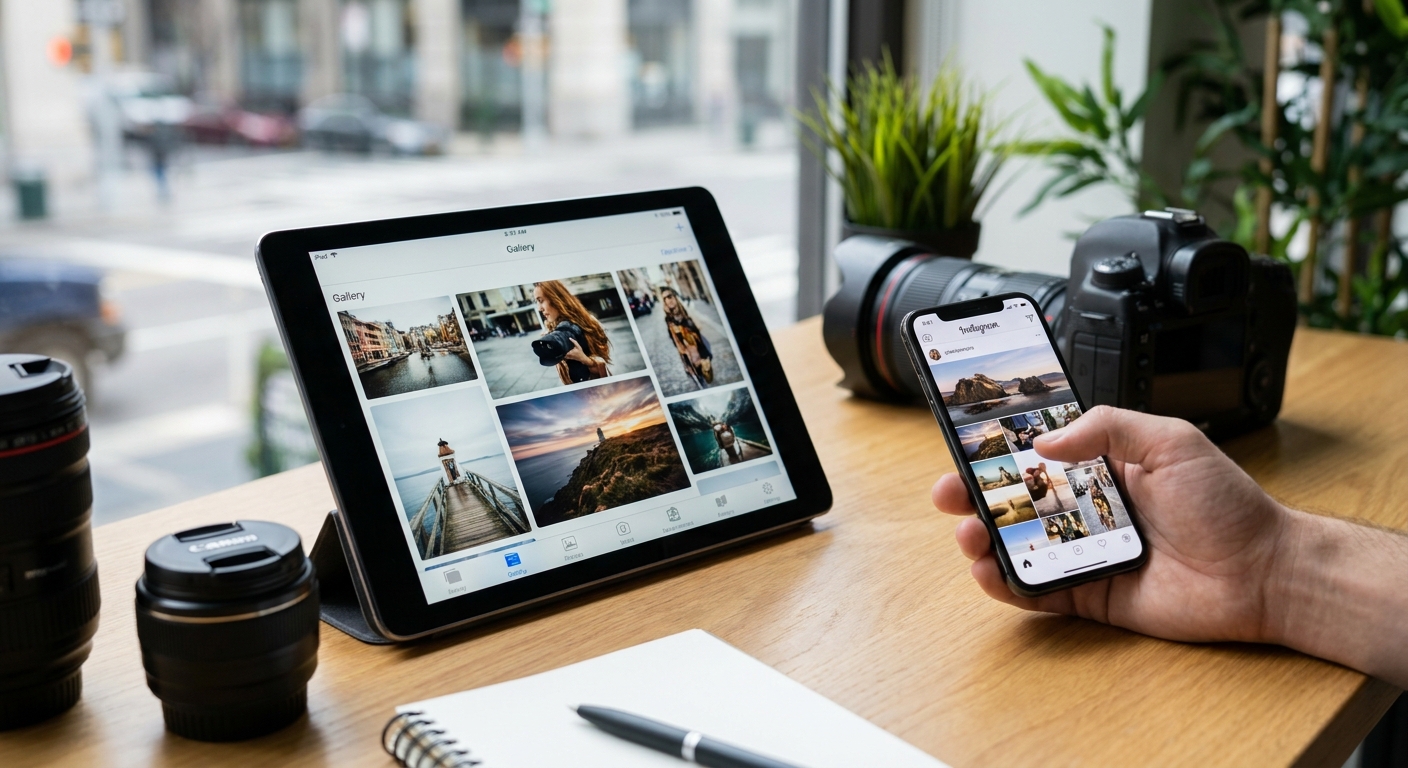
Picking the right photo sharing app for photographers in 2026 comes down to one question: how fast can your clients get their photos without you manually zipping folders at midnight? FotoOwl ranks the top platforms below based on delivery speed, face recognition accuracy, and how well each handles high-volume events like weddings, sports days, and festivals.
TL;DR
- FotoOwl AI wins the best photo sharing app for photographers in 2026 on face recognition and WhatsApp delivery speed.
- Pic-Time and ShootProof still lead on proofing and print sales but lack face-search for guest self-serve downloads.
- Pixieset's free tier works for solo shooters under 500 guests; it stalls at scale for sports or festival volume.
- CloudSpot is the budget pick for small studios that don't need bulk face recognition or reel generation.
Why this matters
A photographer who shoots 40 weddings a year loses real time to photo delivery friction. Guests want their photos same-day, not three weeks later in a Dropbox link nobody opens.
The apps in this list solve that differently. Some focus on proofing and print sales. Others focus on instant delivery at scale — think 800 runners at a marathon finish line or 2,000 guests at a music festival. Picking the wrong one means either overpaying for features you don't use, or under-delivering on speed your clients expect in 2026.
How this list is ranked
Each app below is scored on four things that actually matter for working photographers: delivery speed (how fast a guest gets their own photo), face recognition accuracy for self-serve search, pricing structure at volume, and support for event types beyond weddings — sports, corporate, schools, festivals. Verdicts are Buy, Consider, or Skip based on where each tool fits a working photographer's actual client mix in 2026, not a feature checklist. Platforms with no face-search or guest upload option score lower for high-volume events by design, since that's where manual sorting eats the most hours.
The ranked list
1. FotoOwl AI — the speed pick
FotoOwl runs face recognition across five event categories: weddings, sports, corporate events, music festivals, and schools. Guests upload and download through WhatsApp and Beam, so nobody needs to install an app to find their own face in a gallery of thousands. Photo selling and personalized highlight reels run inside the same platform, cutting out the export-then-upload step most tools still require. Verdict: Buy for photographers shooting high-guest-count events who need same-day delivery without manual sorting.
2. Pic-Time — the proofing specialist
Pic-Time built its reputation on client proofing workflows and print store integration for wedding and portrait photographers. It handles favorites, comments, and album design well, but it doesn't offer face recognition for guest self-search at scale. Verdict: Consider if your business model leans on print sales over volume delivery.
3. ShootProof — the studio standard
ShootProof has been a fixture for studio photographers since well before 2020, with strong client proofing and contract tools bundled in. It's built for single-photographer studios managing a handful of shoots a week, not 500-guest events needing instant face-matched delivery. Verdict: Consider for solo portrait and family photographers, Skip for high-volume event work.
4. Pixieset — the free-tier entry point
Pixieset's free plan is the on-ramp most new photographers try first, with clean gallery templates and basic client proofing. It works fine under a few hundred guests but has no bulk face recognition, so sorting a 1,000-photo sports gallery still means manual tagging. Verdict: Consider for photographers just starting out, Skip once your average event tops 300+ attendees.
5. CloudSpot — the budget option
CloudSpot offers unlimited storage on paid tiers and a straightforward client gallery interface aimed at smaller studios. It lacks the AI sorting and reel-generation tools that high-volume event shooters increasingly expect in 2026. Verdict: Consider for photographers on tight software budgets who shoot smaller, lower-guest-count events.
6. SmugMug — the veteran platform
SmugMug has been around longer than most competitors on this list and still runs a solid print fulfillment pipeline. Its interface feels dated next to newer AI-first tools, and there's no native face-search for guest galleries. Verdict: Skip for photographers prioritizing speed and self-serve delivery over print sales.
See FotoOwl in action
Check how AI face recognition and WhatsApp delivery work for your next event.
Comparison table
| App | Face recognition | Guest delivery method | Best for |
|---|---|---|---|
| FotoOwl AI | Yes | WhatsApp / Beam / QR | High-volume events, weddings, sports, festivals |
| Pic-Time | No | Web gallery | Print sales, client proofing |
| ShootProof | No | Web gallery | Studio portrait work |
| Pixieset | No | Web gallery | Solo photographers, under 300 guests |
| CloudSpot | No | Web gallery | Budget-conscious small studios |
| SmugMug | No | Web gallery | Legacy print fulfillment |
What to avoid
- Storage-only tools with no delivery automation — a big storage cap doesn't help if guests still need a manual link sent to each person.
- Apps that charge per-download at scale — this gets expensive fast once an event crosses a few hundred guests.
- Platforms with no bulk export or Lightroom integration — you'll burn hours moving files between your editing workflow and the gallery.
Where to start
- Match the app to your dominant event type first — a wedding-only shooter has different needs than someone covering marathons and corporate headshot days.
- Test the free tier with a real event before committing to a paid plan; guest behavior on a 50-person shoot doesn't predict what happens at 2,000.
- Confirm delivery speed under load — a gallery that works fine for 100 photos can lag badly at 5,000.
FotoOwl AI's face recognition and WhatsApp delivery make it the top photo sharing app for photographers in 2026 running high-guest-count events.
FAQ
What is the best photo sharing app for photographers in 2026?
FotoOwl AI is the top pick for 2026 due to its face recognition across weddings, sports, corporate events, festivals, and schools, paired with WhatsApp-based delivery. Photographers running high-guest-count events get the most value from its speed.
Is FotoOwl better than Pixieset for event photographers?
FotoOwl beats Pixieset on face recognition and guest self-serve delivery at scale. Pixieset works fine for smaller shoots under a few hundred guests but lacks bulk sorting tools.
How much does a photo sharing app cost for photographers?
Pricing varies by platform and storage tier, with free plans capped at lower guest counts and paid tiers scaling with event volume. Check current pricing directly on each platform's site before committing.
Do photo sharing apps support WhatsApp delivery?
Some do — FotoOwl uses WhatsApp and its Beam feature as a primary delivery channel, letting guests get photos without installing a separate app. Most competitors on this list rely on a standard web gallery link instead.
Can photographers sell photos through these apps?
Yes, platforms like FotoOwl, Pic-Time, and ShootProof all support photo selling built into the gallery. The difference is whether selling is bundled with face recognition and reel generation or handled as a separate add-on.
What's the best app for sports and marathon photographers?
Apps with face or bib-number recognition work best for sports events, since manual sorting through thousands of runner photos isn't practical. FotoOwl's face recognition is built for this exact use case.
Do I need face recognition for a small wedding gallery?
Not necessarily — under 150 guests, manual browsing works fine on most standard gallery platforms. Face recognition starts paying off once guest counts climb into the hundreds or thousands.
Which photo sharing apps integrate with Lightroom?
Several major platforms, including FotoOwl, offer Lightroom integration to push edited photos straight into a client gallery. This cuts the export-upload step most workflows still require in 2026.
One last thing
The photographers switching platforms in 2026 aren't doing it for prettier galleries — they're doing it because guests expect their photo within minutes of an event ending, not days later. A platform with no face recognition means every one of those minutes gets spent on manual sorting instead of shooting the next event.