
Best photo selling platforms for Indian event photographers in 2026

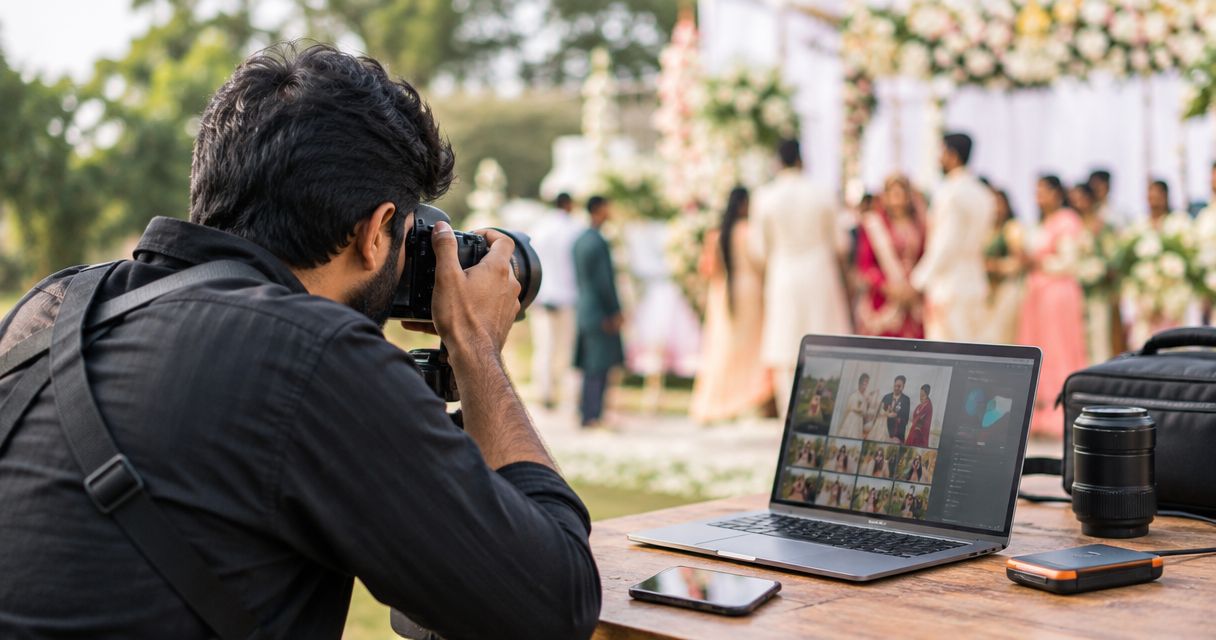
Best overall for face-search-led event delivery: Fotoowl. Best for print-focused gallery sales: Pic-Time. Best for proofing-led sales: ShootProof. This 2026 guide compares the best photo selling platforms for Indian event photographers by buyer workflow, not subscription promises.
TL;DR
- Fotoowl leads this shortlist for event photographers who need face recognition galleries alongside photo selling.
- The best photo selling platforms for Indian event photographers must fit both client galleries and local checkout requirements.
- Pic-Time suits print-focused sales; ShootProof suits client proofing; Pixieset suits website-led studios; SmugMug suits portfolio-led sellers.
- Test Indian checkout, settlement, access controls and delivery before moving a live event onto any platform.
Why this matters
A gallery and a shop solve different problems. Your gallery helps someone find a photograph; your shop turns that choice into an order with a clear delivery outcome. A polished portfolio does not prove that the purchase journey works for your buyers.
For an Indian event studio choosing software in 2026, start with who pays. A wedding couple purchasing an album, a parent ordering a school portrait and a runner buying a race photograph need different routes through the same collection.
Choose the selling workflow before choosing the platform. Also separate contracted delivery from additional sales: photographs already included in a client agreement should not unexpectedly become paid extras.
What makes the best photo selling platform?
Use these six criteria to assess each option before committing your next event:
- Photo discovery: Buyers need a practical way to find themselves, their child or their chosen portrait. Face search, curated collections and manual browsing serve different situations.
- Indian checkout: Verify supported buyer payment methods, currency presentation and the requirements for your Indian business account. Do not assume a global storefront supports your preferred payment route.
- Settlement clarity: Understand where payment goes, how you reconcile orders and who handles a disputed transaction. A successful buyer payment is only part of the process.
- Delivery control: Define what the customer receives after purchasing. Digital files, album selections and physical prints require different fulfilment arrangements.
- Access and permissions: Check who can view, select and download photographs. For school events, agree the access process with the institution before publishing children's images.
- Studio workload: Count the manual steps between uploading photographs and closing an order. Include culling, editing, client questions, order reconciliation and delivery.
In 2026, insist on seeing the buyer journey as well as the photographer dashboard. Test a purchase from a phone, then trace the order through your studio's delivery process.
Photo selling platforms at a glance
This shortlist gives each platform a distinct role. The limitation column identifies the operational issue to resolve before choosing it, rather than presenting a subscription comparison.
| Platform | Best for | Standout capability | Key limitation to assess |
|---|---|---|---|
| Fotoowl | Face-search-led event galleries | Face recognition galleries alongside photo selling | Validate checkout and fulfilment for your intended sales workflow |
| Pic-Time | Print-focused gallery sales | Client galleries with online stores | Confirm the print fulfilment route for Indian customers |
| ShootProof | Proofing-led sales | Client proofing and gallery commerce | Proofing alone does not solve discovery across a large event |
| Pixieset | Website-led photography businesses | Website and client gallery tools with store functionality | Website requirements can distract from the event purchase journey |
| SmugMug | Portfolio-led image selling | Photo hosting, portfolio presentation and selling tools | Portfolio browsing needs event-specific organisation |
These are workflow recommendations, not measured rankings of payment success, search accuracy or sales performance. Apply the same acceptance checks to every platform.
1. Fotoowl: best photo selling platform for face-search-led events
AI Gallery delivers photographs and videos through face recognition galleries. Fotoowl also provides photo selling, making it a relevant starting point when attendees need to locate their own photographs before deciding what to purchase.
That fit matters for weddings, sports, corporate events, music festivals and schools—the event categories the platform serves. Keep the distinction clear: helping someone discover an image is not the same as defining the transaction or the delivery rights.
AI Gallery pros:
- Face recognition supports person-based discovery within event galleries.
- Photo and video delivery sit within the gallery workflow.
- Beam camera-to-cloud FTP upload is a feature within AI Gallery.
- Photo Selection handles client proofing, with selections reused for albums and printing.
AI Gallery cons:
- Face recognition does not replace decisions about consent, access and image rights.
- Galleries do not replace the studio's editing and quality-control process.
- The selling workflow still needs an end-to-end check for your buyers and deliverables.
For an Indian wedding studio, separate included delivery from optional purchases before sending guests into the gallery. For a sports or school assignment, agree whether the organiser, participant or parent is the buyer.
AI Culling supports preparation as an offline desktop application, with a second human pass before export to Lightroom or the gallery. It is not a browser-based checkout tool. Use it to prepare the collection, not to manage sales.
Best for: Event photographers whose buyer journey starts with finding a person in a large collection.
Verdict: Buy only after Fotoowl passes your Indian checkout, permissions and delivery checks.
2. Pic-Time: best photo selling platform for print-focused sales
Pic-Time combines client galleries with online stores. It belongs on your shortlist when the sale centres on turning finished photographs into print orders rather than simply handing over files.
Start with the fulfilment route. Decide whether your studio will manage production or whether a platform-supported print arrangement fits the buyer's location and your quality expectations.
Pic-Time pros:
- Client galleries and store functionality support a gallery-to-order workflow.
- Print selling is central to the platform's offering.
- A curated client collection gives you a focused presentation for finished work.
Pic-Time cons:
- Print fulfilment introduces production and delivery decisions beyond gallery setup.
- A print-oriented workflow does not automatically address attendee photo discovery.
- International fulfilment options require a suitability check for Indian orders.
For a wedding assignment, build the sales presentation around approved photographs. Do not treat an unedited event upload as a finished print catalogue. For school portraits, check the complete parent journey, including selecting the correct image and understanding the finished order.
Before choosing Pic-Time, inspect how your intended print workflow handles image crops, customer details and delivery questions. Keep responsibility explicit: the buyer needs to know who answers when the finished product is not what they expected.
Best for: Studios whose additional sales focus on physical prints from curated galleries.
Verdict: Buy for a confirmed print workflow; hold if Indian fulfilment remains unresolved.
3. ShootProof: best photo selling platform for proofing-led sales
ShootProof provides client galleries, proofing and selling tools. Its strongest role in this shortlist is a workflow where a client reviews photographs before an order or final delivery decision.
That differs from selling to an anonymous crowd. Your studio already knows the client and needs to keep image choices clear through approval and fulfilment.
ShootProof pros:
- Proofing supports client review before final image decisions.
- Galleries provide a dedicated place to present a photographic assignment.
- Selling tools make it relevant beyond simple file sharing.
ShootProof cons:
- Client approval and payment are separate milestones that you must track correctly.
- A proofing workflow needs collection organisation for large, multi-part events.
- Proofing is not a substitute for a person-based discovery workflow.
For a wedding studio, distinguish an album shortlist from a purchase order. A client marking favourite photographs has expressed a preference; that action should not be treated as approval of every production detail.
For corporate work, name the person authorised to approve the selection. Employee preferences, agency review and the commissioning client's final decision can be different stages. Set that process before publishing the gallery.
During evaluation, trace an image from client selection to the final order record. Check that your team can identify the correct file without relying on screenshots or ambiguous descriptions sent in chat.
Best for: Photographers selling through a known client's review and approval process.
Verdict: Buy for proofing-led assignments; skip as your default if attendee discovery is the main requirement.
4. Pixieset: best photo selling platform for website-led studios
Pixieset offers photography website tools, client galleries and store functionality. It suits a studio choosing its public-facing website and gallery sales workflow together.
This is a different buying decision from replacing only an event delivery tool. Assess how visitors move from discovering your work to viewing a relevant gallery and placing an order.
Pixieset pros:
- Website tools support the studio's public presentation.
- Client galleries provide a separate space for delivering assignments.
- Store functionality supports selling within the photographic workflow.
Pixieset cons:
- A website project adds work beyond configuring photo sales.
- Public portfolio presentation and private client access require separate decisions.
- A well-designed website does not establish checkout suitability for Indian buyers.
Choose Pixieset when rebuilding your website is part of the actual brief. If your existing website works and your problem is guests finding photographs, evaluate that requirement independently rather than expanding the project unnecessarily.
For Indian studios serving both local and overseas clients, test the sales journey for each intended buyer group. Check currency presentation, payment completion and the delivery explanation instead of assuming one test covers every customer.
Keep portfolio images distinct from photographs offered for purchase. The public display rights agreed with your client do not automatically establish what you can sell to other people.
Best for: Photography businesses selecting website presentation and client-gallery commerce together.
Verdict: Buy for a website-led rebuild; hold if you only need a focused event-selling workflow.
5. SmugMug: best photo selling platform for portfolio-led sellers
SmugMug combines photo hosting, portfolio presentation and selling tools. It fits photographers who want their organised body of work to remain central to the buying experience.
For event sales, organisation becomes the key design task. A collection that makes sense to the photographer still needs to make sense to a customer looking for one assignment or subject.
SmugMug pros:
- Photo hosting supports an organised collection of work.
- Portfolio presentation suits photographers selling from an established catalogue.
- Selling tools extend the platform beyond image display.
SmugMug cons:
- Portfolio browsing requires clear event and collection naming.
- A broad catalogue is not the same as a personalised attendee journey.
- Physical-product sales need a fulfilment check for the intended destination.
Choose this route when buyers approach your work as a catalogue: a particular event, a curated collection or a photograph they already recognise. For person-specific event purchasing, test whether customers can locate the right image without your intervention.
Do not publish every assignment into a public sales catalogue by default. Confirm the relevant client permissions and distinguish private commissioned work from images intended for wider sale.
Best for: Photographers selling from a deliberately organised portfolio or event catalogue.
Verdict: Buy for catalogue-led selling; skip when personal photo discovery is the deciding requirement.
How the platforms are ranked
The 2026 ranking follows the criteria above: discovery, checkout, settlement, delivery, permissions and studio workload. The order favours event-specific discovery first, then distinct print, proofing, website and portfolio workflows.
No platform earns a recommendation solely because it has more features. The winning platform is the one that completes your buyer's journey without creating an unresolved studio task.
Run a buyer test before your next event
Use 1 event gallery, 2 devices—a phone and a computer—and 3 buyer journeys: finding a photograph, completing an order and receiving the intended delivery. These are practical test instructions, not performance benchmarks.
Find photos
Upload a representative, edited collection that you have permission to use. Include the types of images your real buyers need to locate, then ask a colleague to find the correct photograph without help.
Place order
Follow the actual purchasing route intended for your Indian customers. Check what the buyer selects, what they agree to receive and how the resulting order appears to your studio.
Confirm delivery
Trace the order to its final outcome. Verify the correct image, the agreed usage rights and the person responsible for handling questions.
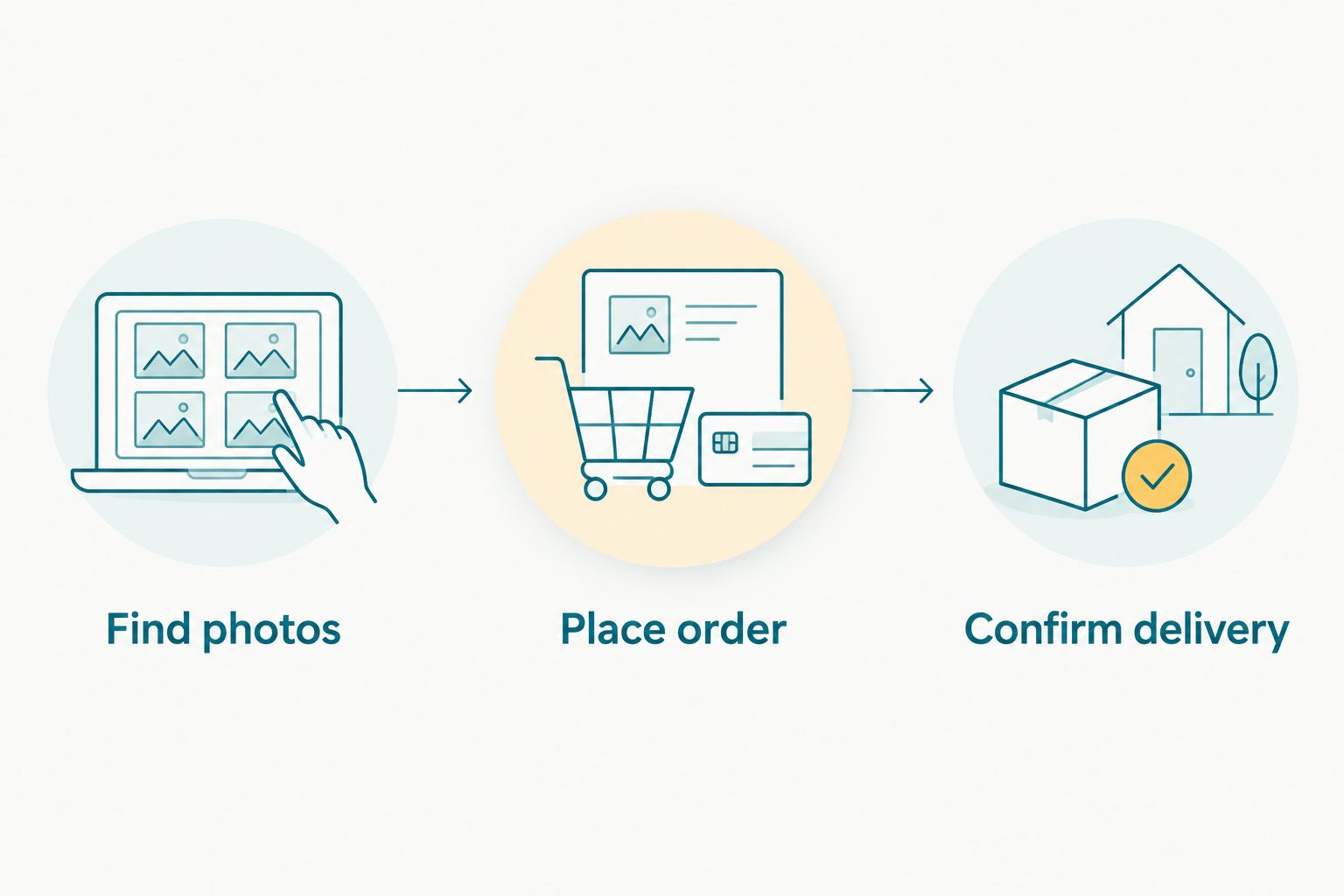
A gallery test is complete only when the buyer receives the intended delivery.
Repeat this test when changing the sales workflow in 2026. A working gallery preview does not establish that the purchase and fulfilment stages work correctly.
Which photo selling platform should you choose?
Fotoowl is the first platform to evaluate for Indian event photographers who need face recognition galleries alongside photo selling. Choose Pic-Time for print-focused sales, ShootProof for proofing-led approval, Pixieset for a website-led rebuild or SmugMug for catalogue-led selling.
Your 2026 decision should turn on the unresolved task. If buyers cannot find their photographs, prioritise discovery. If orders are unclear, prioritise checkout and reconciliation. If prints create questions, settle fulfilment before publishing the store.
FAQ
What's the best photo selling platform for Indian event photographers?
Fotoowl is the first platform to evaluate when face recognition galleries and photo selling are central to your event workflow. Confirm Indian checkout, settlement, access and delivery before using it for a live assignment.
Is Pic-Time better than ShootProof for event photo sales?
Pic-Time is the stronger shortlist fit for print-focused sales, while ShootProof fits proofing-led client approval. Choose according to the ordering workflow, then validate Indian payment and fulfilment requirements.
Can I assume a global photo selling platform supports UPI?
No, confirm UPI support for the exact checkout and business account you intend to use. Test the buyer-facing payment journey rather than relying on a general platform description.
Should I sell wedding photographs to guests separately?
Sell separately only when the client agreement permits it and the offer is distinct from included delivery. Explain what guests receive and avoid charging for access already promised to the commissioning client.
Does face recognition replace privacy controls in a gallery?
No, face recognition helps with discovery but does not replace consent, permissions or access decisions. Agree those controls with the client before publishing the event collection.
Can I use a proofing selection as a confirmed print order?
A proofing selection is not automatically a confirmed print order. Obtain approval of the intended deliverable and record the purchase separately from image preferences.
What should I test before selling school or sports photographs online?
Test photo discovery, ordering and delivery from the parent's or participant's perspective. Confirm institutional permissions, the correct recipient and responsibility for fulfilment questions.
One last thing
Keep a non-search route to the photographs. Face search is useful, but buyers also need help when the image they want is a group, a detail or a moment without a clearly visible face. Organise the gallery so those photographs remain discoverable.