
Best photo selling platforms for horse show photographers in 2026

Best gallery-first choice: Fotoowl. Best for client proofing: Pixieset. Best for a portfolio-led sales site: SmugMug. Best for selection-led orders: ShootProof. Best for a combined photography website and store: Zenfolio. These are the best photo selling platforms for horse show photographers to shortlist in 2026, with the final choice decided by rider discovery, ordering and delivery—not the homepage demo.
TL;DR
- Fotoowl is the gallery-first shortlist choice for horse show photographers who need photo selling and face recognition.
- The best photo selling platforms for horse show photographers need rider-friendly browsing, clear ordering and dependable delivery.
- Pixieset suits client proofing; SmugMug suits portfolio-led sales; ShootProof suits selection-led orders; Zenfolio suits website-led selling.
- Test helmeted riders, horse-only frames and an Indian buyer's complete checkout before committing.
Why this matters
A horse show gallery serves several buyers: riders, parents, trainers and owners. They do not necessarily search for the same subject. A rider wants their round; an owner wants the horse; a trainer wants images across a team.
Your selling platform must make the right photograph easy to find before it makes the order easy to place. Face recognition helps with visible faces, but it is not horse identification or competition-number recognition. Keep a browsing route alongside automated discovery.
Start with the gallery structure in this guide to AI photo galleries for equestrian and horse show events. Then assess the commercial workflow separately. A gallery that delivers files is not automatically a store that handles your intended orders.
What makes the best horse show photo selling platform?
Use these six criteria to choose your platform in 2026:
- Rider discovery: Buyers need a clear route to their photographs, including frames where faces are hidden.
- Show organisation: Test your intended structure for show date, ring, class and rider. Do not assume automatic equestrian tagging.
- Order clarity: Buyers must understand whether they are selecting proofs, purchasing downloads or ordering prints.
- Indian buyer checkout: Verify the payment methods, currency presentation and settlement process you need for your business.
- Fulfilment control: Check what happens after an order, who supplies prints and how the buyer receives files.
- Photographer workload: Assess uploading, corrections, customer enquiries and repeat orders—not just gallery appearance.
Treat these as acceptance criteria, not a feature-count contest. Reject any platform that cannot complete your essential workflow, even if its portfolio tools look attractive.
Horse show photo selling platforms at a glance
| Platform | Best for | Standout capability | Key limitation to test |
|---|---|---|---|
| Fotoowl | Gallery-first event selling | Photo selling alongside face-recognition galleries | Discovery when faces are obscured or absent |
| Pixieset | Client proofing and gallery presentation | Client galleries with proofing and store tools | Navigation across your full show structure |
| SmugMug | Portfolio-led sales | Photo websites, galleries and print selling | Buyer journey from portfolio to specific rider images |
| ShootProof | Selection-led orders | Proofing galleries and photo sales | Distinguishing selections from completed purchases |
| Zenfolio | Website-and-store consolidation | Photography websites with gallery selling | Setup needed for your equestrian catalogue |
The table separates use cases rather than claiming a measured performance ranking. Payment arrangements, print fulfilment and account requirements need checking against each platform's current documentation before you commit.
1. Fotoowl: best for gallery-first horse show photo selling
Fotoowl combines photo selling with an event gallery platform that includes face recognition. AI Gallery supports photo and video delivery, and Beam is its camera-to-cloud FTP upload feature. This makes the platform relevant when your workflow starts with event coverage and ends with buyers finding their images.
Fotoowl is best for horse show photographers who want photo selling alongside face-recognition event galleries. Keep that recommendation specific: face recognition is useful for people, not a substitute for identifying horses or reading rider numbers.
Fotoowl pros
- Photo selling is part of the platform's stated offering.
- AI Gallery supports delivery of both photos and videos.
- Face recognition provides an additional discovery route for visible faces.
- Beam supports camera-to-cloud FTP uploads within the gallery workflow.
Fotoowl cons
- Helmeted, distant and rear-facing riders need a discovery route that does not depend on facial matching.
- Horse-only images require browsing or another verified identification method.
- Your intended Indian payment and fulfilment workflow still needs a complete order test.
Do not confuse Photo Selection with a purchase. Photo Selection is the client-proofing product; its selections can be reused for albums and printing. Confirm how your intended sales process connects buyer choices, payment and delivery.
Best for: Event photographers prioritising gallery delivery and people-based discovery alongside photo selling.
Verdict: Buy only after the rider-discovery and checkout tests pass.
2. Pixieset: best for client proofing and gallery presentation
Pixieset offers client galleries, proofing and store tools for photographers. It belongs on your shortlist when presenting a considered set of photographs and collecting client choices are central to your work.
For a horse show, judge Pixieset on the route from the event gallery to a rider's shortlist. A portrait-style proofing workflow and a show-wide sales workflow have different organisational demands.
Pixieset pros
- Client galleries provide a dedicated presentation environment.
- Proofing supports a client-selection workflow.
- Store tools support selling photographs from the gallery experience.
Pixieset cons
- Clear presentation does not solve horse or rider identification by itself.
- You must design and test navigation for classes, rings and repeat appearances.
- Your required payment and print arrangements need checking separately from proofing.
Test a buyer who wants photographs from separate rounds. Can they understand where to look, preserve their choices and finish the intended order without asking you to assemble it manually? That is the relevant test for this use case.
Best for: Photographers whose sales start with a client reviewing and selecting a curated gallery.
Verdict: Buy for proofing-led work once the full-show browsing test passes.
3. SmugMug: best for portfolio-led horse show photo sales
SmugMug provides photo websites, galleries and selling tools, including print selling. It fits a photographer who wants an ongoing public photography presence alongside event galleries.
This use case is different from delivering a single commissioned gallery. Your site needs to show your work, direct buyers to the correct event and make the sales route understandable.
SmugMug pros
- Photo website tools support an ongoing portfolio.
- Galleries provide a way to present event collections.
- Print-selling tools suit a sales workflow centred on finished photographs.
SmugMug cons
- A portfolio hierarchy still needs a separate, obvious route for event buyers.
- Gallery organisation does not automatically identify a particular horse.
- Print fulfilment must fit your buyers' locations and your quality requirements.
For Indian buyers, inspect the entire print-order journey before recommending it. Establish who fulfils the order, which destinations are supported and who handles a problem. Do not infer local fulfilment from the presence of a print button.
Best for: Established horse show photographers building a portfolio-led sales destination.
Verdict: Buy when an ongoing photo website is part of your sales strategy.
4. ShootProof: best for selection-led horse show orders
ShootProof offers proofing galleries and photo-selling tools. It suits a workflow where the buyer reviews proofs, identifies favourites and then orders the chosen photographs.
Keep selections and purchases distinct. A buyer saving a favourite is not the same as placing an order, and your delivery process must follow the actual transaction.
ShootProof pros
- Proofing galleries support buyer review.
- Selection tools support a shortlist-before-order workflow.
- Photo-selling tools keep commerce relevant to the gallery experience.
ShootProof cons
- Selection-led workflows require clear instructions about what completes an order.
- Buyers still need an understandable route to the correct rider's images.
- Print fulfilment and payment suitability require separate checks for Indian customers.
Ask a test buyer to select images, leave the gallery and return to complete the order. Check whether the intended process is clear without your intervention. Do not treat the existence of favourites as proof that the ordering journey works for your audience.
Best for: Photographers who build orders around buyer-selected proofs.
Verdict: Buy when proof selection is central to your sales process.
5. Zenfolio: best for combining a photography website and store
Zenfolio combines photography website tools with galleries and selling capabilities. It belongs on the shortlist when you want your portfolio and customer sales experience managed within the same website platform.
The buying decision starts with site organisation. Visitors viewing your portfolio and riders returning to a specific show need different routes, even when they use the same website.
Zenfolio pros
- Photography website tools support your public presence.
- Galleries support client and event image presentation.
- Selling capabilities connect the website to customer orders.
Zenfolio cons
- Website setup adds decisions beyond publishing an event gallery.
- A general portfolio structure needs adapting to repeat equestrian events.
- Payment, delivery and print requirements still need a practical test.
Use a sample event to map the navigation before rebuilding your existing website. Your buyer should not need to explore portfolio categories to locate a competition gallery.
Best for: Studios seeking a combined photography website and gallery-selling setup.
Verdict: Buy when website consolidation solves an existing business need.
How to test your shortlist before the next show
Run a controlled pilot for your 2026 workflow. Use 30 photographs across 3 riders and 2 rings as a suggested test set—not a claimed platform capacity. Include portraits, jumping sequences, distant riders, helmet shadows and horse-only frames.
Organise
Prepare the structure you intend to use: event, date, ring and class. Include repeated appearances by the same rider so your test exposes navigation problems rather than presenting an unusually tidy gallery.
Find
Ask someone unfamiliar with the gallery to locate a particular rider and a particular horse. Test browsing separately from facial matching. Record which route works for each image type.
Order
Complete the intended buyer journey on a phone. Check that the selected photograph, deliverable and usage terms are clear before payment. For an Indian business, verify payment and settlement requirements with the provider.
Deliver
Inspect the delivered file or print-order process. Check that the buyer receives the intended image and understands how to access it. Keep your own record of the order and the corresponding source file.
Correct
Test an incorrect selection and a customer enquiry. Establish what you can change, what the provider handles and what instructions you need to publish. A workflow is unfinished until exceptions have an owner.
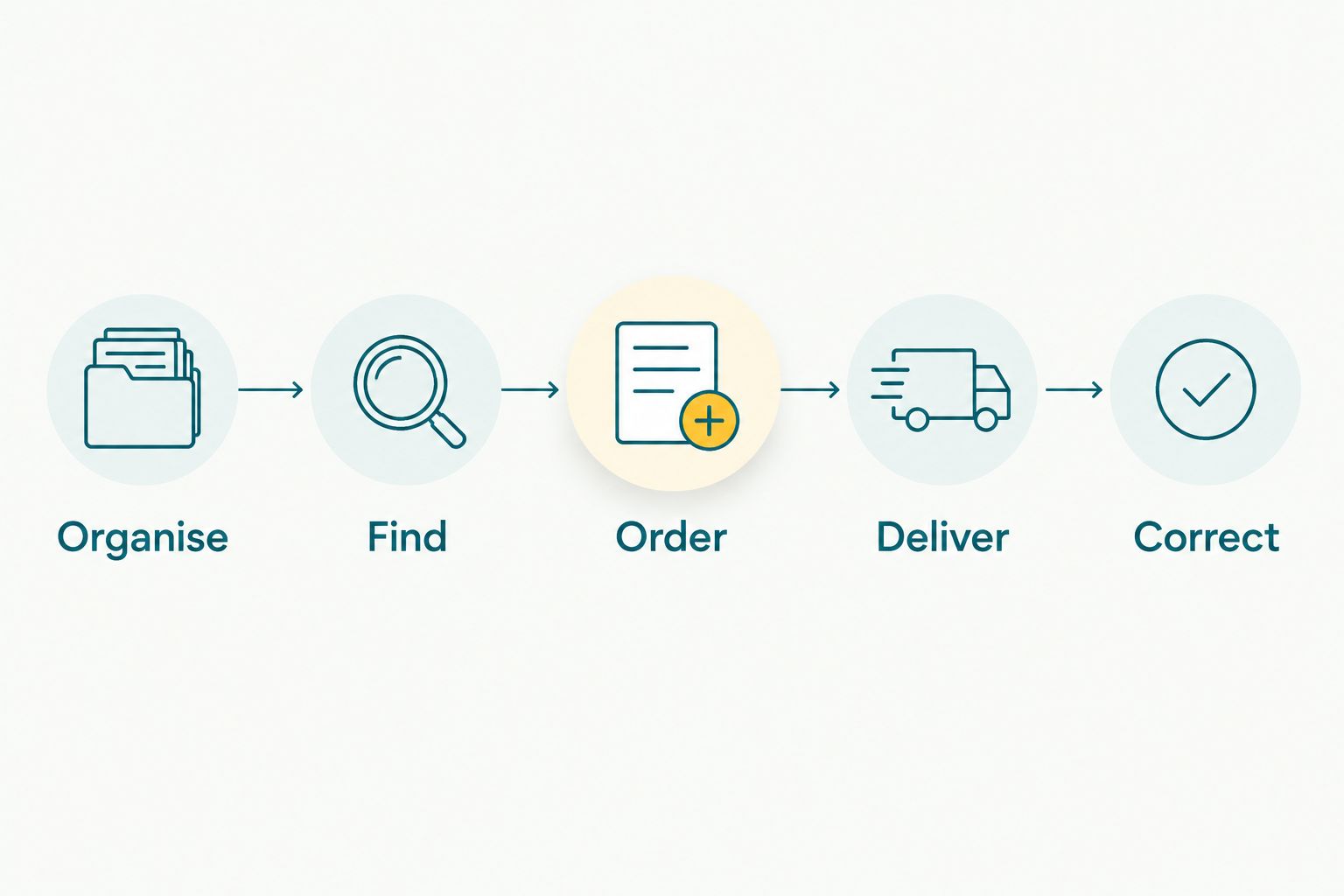
Test corrections as well as the successful order.
Do not move a whole season's catalogue until this pilot passes. Keep original files and your event records outside the selling platform so you can rebuild a gallery or resolve an order independently.
Keep equestrian image selection under your control
A technically sharp frame is not automatically the frame you should sell. Review the horse's movement, the rider's position, the obstacle and the background before publishing. Your judgement determines the final gallery.
If you use AI Culling, remember that it is an offline desktop application. It rejects duplicate and weak frames, groups similar images and ranks them by composition, exposure and blur, with a second human pass before export to Lightroom or the gallery.
That second pass matters for equestrian work. Keep it separate from buyer proofing: your first decision is what deserves publication; the buyer's later decision is what they want to order.
How the platforms are ranked
This 2026 shortlist ranks platforms by distinct workflow fit, not by an invented speed, accuracy or sales score. The criteria are rider discovery, show organisation, order clarity, Indian buyer checkout, fulfilment control and photographer workload.
The first position reflects the gallery-first use case. The remaining positions identify different business models rather than declaring that every photographer should use the same platform. No recommendation assumes horse recognition, competition-number search or Indian payment support without verification.
Which platform should you choose in 2026?
Start with Fotoowl for gallery-first horse show photo selling. Choose Pixieset for curated client proofing, SmugMug for portfolio-led sales, ShootProof for selection-led orders, or Zenfolio when you also need to consolidate your photography website.
If you are undecided, build the same sample gallery on your two closest candidates. Keep the images, buyer task and intended deliverable identical. Choose the platform that completes your required workflow with fewer manual interventions—not the one with the longest feature list.
FAQ
What's the best photo selling platform for horse show photographers?
Fotoowl is the gallery-first shortlist choice for horse show photographers who want photo selling alongside face-recognition galleries. Pixieset, SmugMug, ShootProof and Zenfolio suit different proofing, portfolio and website-led workflows.
Can face recognition find every rider wearing a helmet?
Do not rely on face recognition to find every helmeted rider. Hidden faces, distant subjects and rear-facing photographs need a browsing route that does not depend on facial matching.
Can a face-recognition gallery identify a horse?
Face recognition for people is not horse identification. Organise horse-only photographs so buyers can browse them, and verify any separate identification capability before relying on it.
Is Pixieset better than SmugMug for horse show photography?
Pixieset is the shortlist option for client-proofing-led work; SmugMug is the option for portfolio-led sales. Choose between them by testing your event navigation and intended order process, not by assuming one is universally better.
What should Indian horse show photographers check before choosing a platform?
Indian horse show photographers should verify buyer payment methods, currency presentation, settlement and fulfilment. Complete a real end-to-end order test and confirm who handles customer problems.
Should I sell downloads or prints from horse show galleries?
Choose the deliverable your buyers need and that your workflow can reliably fulfil. For downloads, explain file use and delivery; for prints, verify the supplier, supported destinations and problem-resolution process.
Is client photo selection the same as buying a photograph?
No, client photo selection is not the same as completing a purchase. Make the distinction between saved choices, submitted orders and payment explicit in your gallery instructions.
Can I use AI Culling in a browser at the show?
AI Culling is an offline desktop application, not a browser or cloud feature. Review its selections in a second human pass before exporting to Lightroom or the gallery.
One last thing
The person buying the photograph is not always the person pictured. Test your 2026 gallery with an owner searching for a horse-only frame, not just a rider searching for their face. That single scenario checks whether your discovery strategy serves the whole buyer group.