
Sports Event Photography: The Complete Guide for 2026

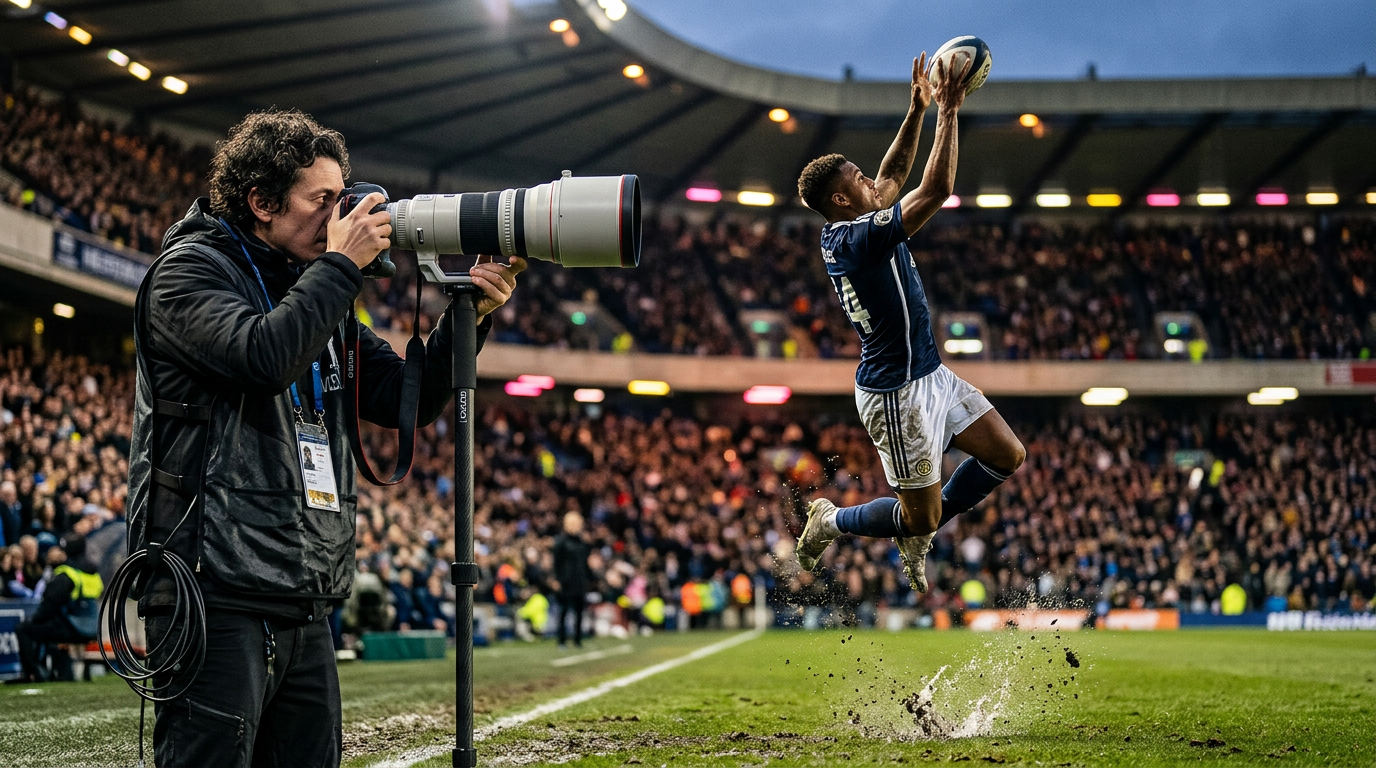
The decisive moment — what sports event photography is all about
Quick Answer
Great sports event photography demands fast reflexes, the right gear, and a deep understanding of the sport you're shooting. This guide walks you through everything — from camera settings and lens choices to marketing your work and delivering photos at scale in 2026.
In This Article:
- What Makes Sports Event Photography Special?
- Must-Have Gear for 2026
- Settings & Techniques to Get the Shot
- Editing Like a Pro
- Building a Winning Portfolio
- Marketing Your Sports Photography in 2026
- Pricing Your Work in 2026
- Trends Shaping Sports Photography in 2026
- Keep Growing with Masterclasses & Practice
- Final Thoughts
If you're passionate about capturing the thrill and raw emotion of sports, you've come to the right place. Whether you're an aspiring photographer eager to break into this fast-paced world or a seasoned pro wanting to level up, this guide walks you through everything you need to succeed in sports event photography in 2026.
Sports photography stands apart from other genres because it combines timing, emotion, and technical skill — all unfolding in unpredictable, sometimes extreme environments. With new technology and evolving market demands, having both the artistic touch and a smart business approach has never been more important.
1. What Makes Sports Event Photography Special?
Sports event photography is uniquely challenging: you don't get second takes when a goal is scored or a race finishes. Capturing those tight, crucial moments means understanding the sport, anticipating the action, and working fast with precision.
More than just snapping pictures of athletes, great sports photography tells stories — of triumph, heartbreak, determination, and the human spirit. It captures not only the action but the emotions behind it.
Photographers often face mixed lighting (indoors or outdoors), tricky angles, and limitations on where they can shoot. You'll also carry heavy gear for hours on end, so physical stamina matters as much as technical skill.
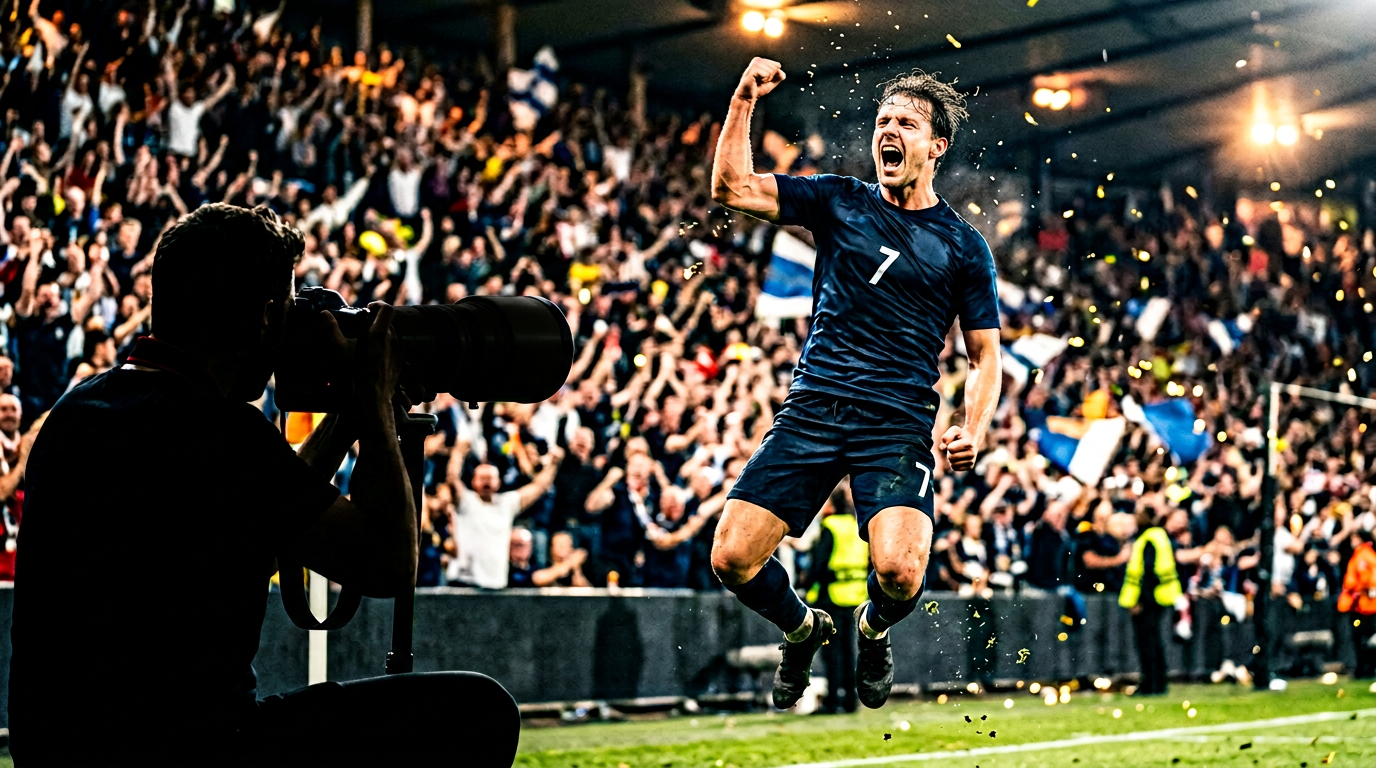
Great sports photography captures emotion as much as action
2. Must-Have Gear for 2026
Having the right equipment sets the foundation for your success. Here's what professional sports photographers rely on in 2026:
Cameras
- Fast autofocus & high frame rates: Look for cameras that track moving subjects effortlessly — at least 10 frames per second continuous shooting is the baseline.
- Low-light performance: Full-frame sensors help capture clean images indoors or at dusk.
- Durability: Weather sealing is essential for unpredictable outdoor conditions.
- Redundancy: Dual card slots and long battery life are non-negotiable for multi-hour events.
Lenses
- Telephoto zooms (70–200mm f/2.8): Versatile for a wide range of sports and ideal for isolating athletes from busy backgrounds.
- Long primes (300–400mm+): The go-to for field sports where you need reach from a fixed position.
- Wide-angle lenses (24–70mm): Useful for capturing venue atmosphere and crowd reactions.
Other Essentials
- Fast memory cards: To keep pace with high burst shooting speeds without buffer lag.
- In-body stabilization: Helpful, but should complement rather than replace solid shooting technique.
- Protective gear: Weather covers and sturdy bags for long event days in variable conditions.
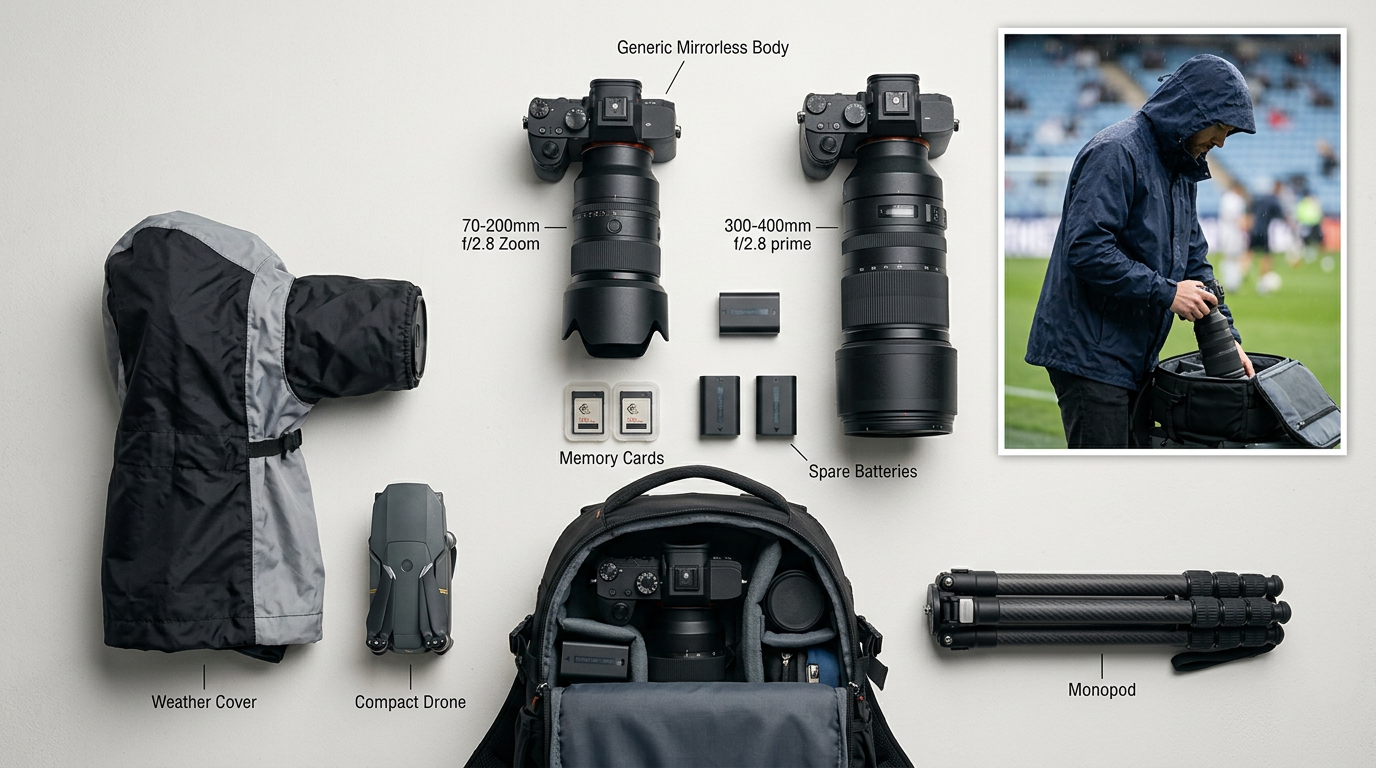
The sports photographer's kit — built for speed, durability, and versatility
3. Settings & Techniques to Get the Shot
Camera Settings
- Shutter speed: Freeze the action at 1/500 sec or faster. Experiment with slower speeds and panning for intentional motion blur.
- Aperture: Wide apertures (f/2.8–f/4) isolate your subject and allow faster shutter speeds in lower light.
- ISO: Don't hesitate to raise ISO when needed — modern cameras handle noise far better than cameras from just a few years ago.
Autofocus
- Use zone or continuous tracking modes to follow erratic players across the frame.
- Back-button focus separates focus control from the shutter, giving you better control over moving subjects.
Shooting Tips
- Anticipate plays by understanding the sport's rhythm and flow. Position yourself where the action is most likely to peak.
- Apply the Pareto principle to your shooting: roughly 20% of your shots will yield 80% of your best results — be selective and patient rather than trigger-happy.
- Capture emotion during pauses — celebrations, intense focus, and disappointment often make more powerful images than pure action frames.
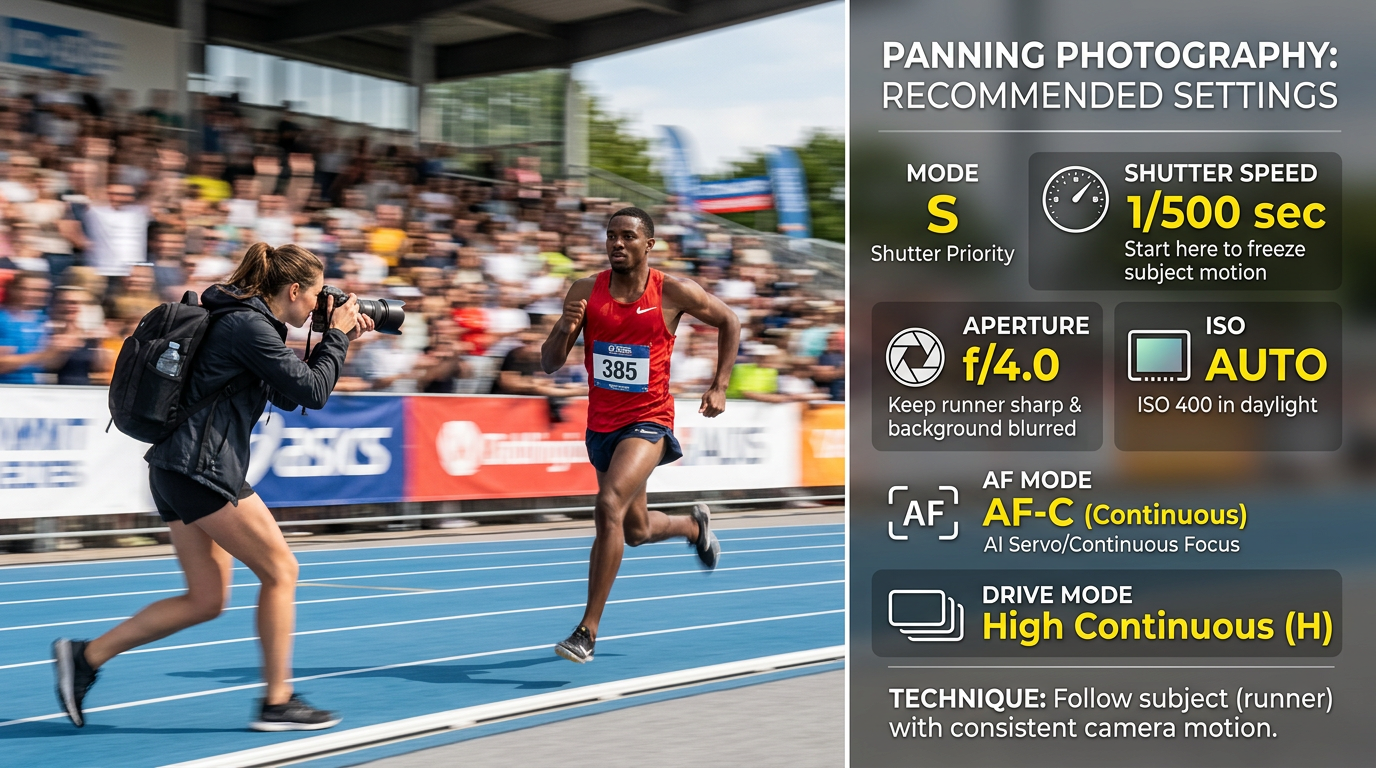
Panning technique (left) and recommended in-camera settings for sports — the two fundamentals that separate good frames from great ones
4. Editing Like a Pro
Post-processing lets your images shine — but the goal is to enhance reality, not fabricate it.
- Prioritize color correction first, especially indoors where artificial lighting creates strong color casts.
- Apply subtle contrast and vibrance adjustments to add punch without pushing the image into an unnatural look.
- Use noise reduction conservatively — smooth out ISO grain enough to clean the image, but preserve texture and detail.
- Crop with intention: tighten your frame to focus attention on the subject, while keeping enough context to tell the story.
5. Building a Winning Portfolio
Your portfolio is your calling card. Select 15–20 of your strongest, most diverse images — ones that demonstrate technical skill and emotional storytelling across different sports, lighting conditions, and scenarios.
Organize your work thoughtfully, whether by sport, theme, or event sequence, to show that you understand how to capture a full narrative — not just isolated moments.
Keep it current. Update your portfolio regularly with fresh work from recent events. A portfolio that reflects 2023 events in 2026 signals stagnation, not growth.
6. Marketing Your Sports Photography in 2026
Use Social Media Smartly
- Instagram: Share your best shots, behind-the-scenes clips, and Stories. Use sport-specific and location-based hashtags (e.g.,
#MumbaiMarathon,#CricketPhotography) to reach the right audience rather than generic tags. - LinkedIn: Connect with team managers, event marketers, and corporate organizers. Longer-form posts about your workflow and results build professional credibility over time.
Networking
- Attend local games — even without a shoot — to meet people and build genuine relationships with organizers and athletes.
- Volunteer or offer reduced-rate coverage early on to grow goodwill, build your portfolio, and generate referrals.
- Personal connections still drive the majority of new business in event photography.
Email Campaigns
Send meaningful updates to past and potential clients. Segment your list by audience — teams interested in event coverage have different needs from athletes seeking personal branding imagery — and write to each group accordingly.
7. Pricing Your Work in 2026
Setting your rates depends on experience, event type, geography, and what is included in your deliverables. The table below reflects typical market ranges — actual rates vary significantly by region and client type.
| Experience Level | 3-Hour Event Rate | What's Included |
|---|---|---|
| Beginner (0–2 yrs) | $300–$600 | Basic editing, 20–30 final images |
| Intermediate (2–5 yrs) | $600–$1,200 | Advanced editing, 40–60 images, faster turnaround |
| Professional (5+ yrs) | $1,200–$2,500+ | Premium edits, unlimited images, same-day highlights |
Add value with social media packages, rush delivery, or exclusive content tiers for different client segments. Always justify your pricing by communicating the quality, reliability, and turnaround speed you bring — not just the number of images delivered.
8. Trends Shaping Sports Photography in 2026
- AI-powered cameras: Advanced subject tracking and predictive autofocus are becoming standard, helping photographers nail shots that would have been near-impossible even two years ago.
- Drone photography: Aerial perspectives are expanding rapidly for dynamic venue and finish-line shots where regulations permit.
- Video content: Short highlights and behind-the-scenes clips are now expected alongside still deliverables — photographers who can offer both command higher fees.
- Real-time photo delivery: Same-event delivery is no longer a premium add-on — it is what clients expect. Platforms like Foto Owl AI automate this entirely, using AI face recognition to match and deliver personalized photo sets to every athlete or attendee within minutes of upload — without any manual sorting by the photographer.
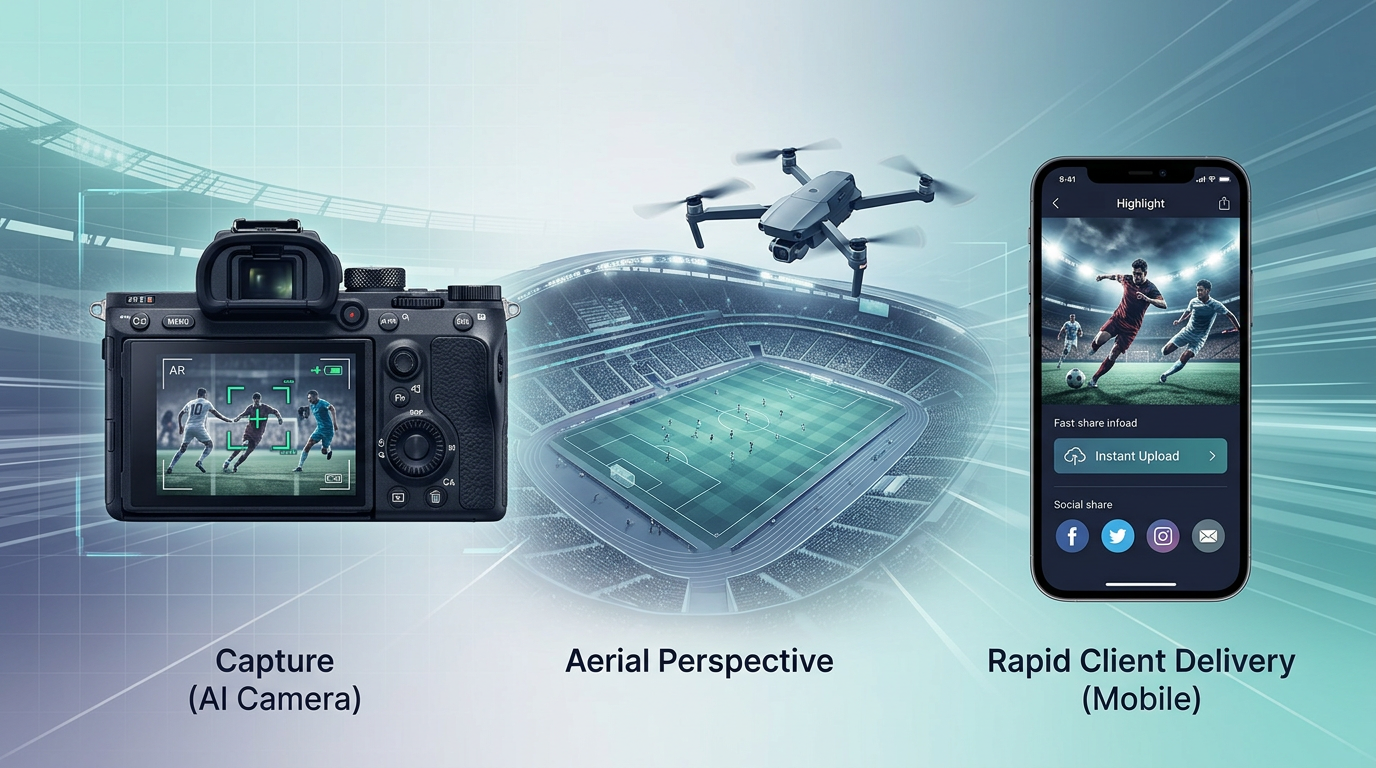
The four trends reshaping sports event photography in 2026 — AI cameras, drones, video, and instant delivery
9. Keep Growing with Masterclasses & Practice
- Study the work of leading sports photographers to understand their approach to timing, framing, and storytelling — not just their technical settings.
- Volunteer to cover local sporting events for hands-on practice and real portfolio-building opportunities.
- Treat your photography business professionally from day one — contracts, insurance, and clear client communication protect you and set expectations.
- Continuously refine your shooting, editing, and delivery workflow. The photographers who grow fastest are those who treat every event as both a job and a learning exercise.
Ready to deliver photos to every athlete before they leave the venue?
Join 200,000+ photographers and event organizers who trust Foto Owl AI to automate their entire post-event delivery workflow.
Start Free Trial10,000 photos per year · No credit card required
10. Final Thoughts
Sports event photography in 2026 is as thrilling as ever — combining fast-paced action, raw emotion, and rapidly evolving technology. Success comes from blending sharp technical skills, creative storytelling, and smart business practice.
Keep shooting, connect with your sporting community, and commit to updating your skills and gear as the industry moves forward. Most importantly, remember that the images that resonate most are the ones that make viewers feel what it was like to be there.
Go capture those unforgettable moments.
Have questions about breaking into sports event photography or improving your workflow? Drop them in the comments below — we'd love to help you find the right approach.