
Sell Event Photos and Earn Passive Income in 2026

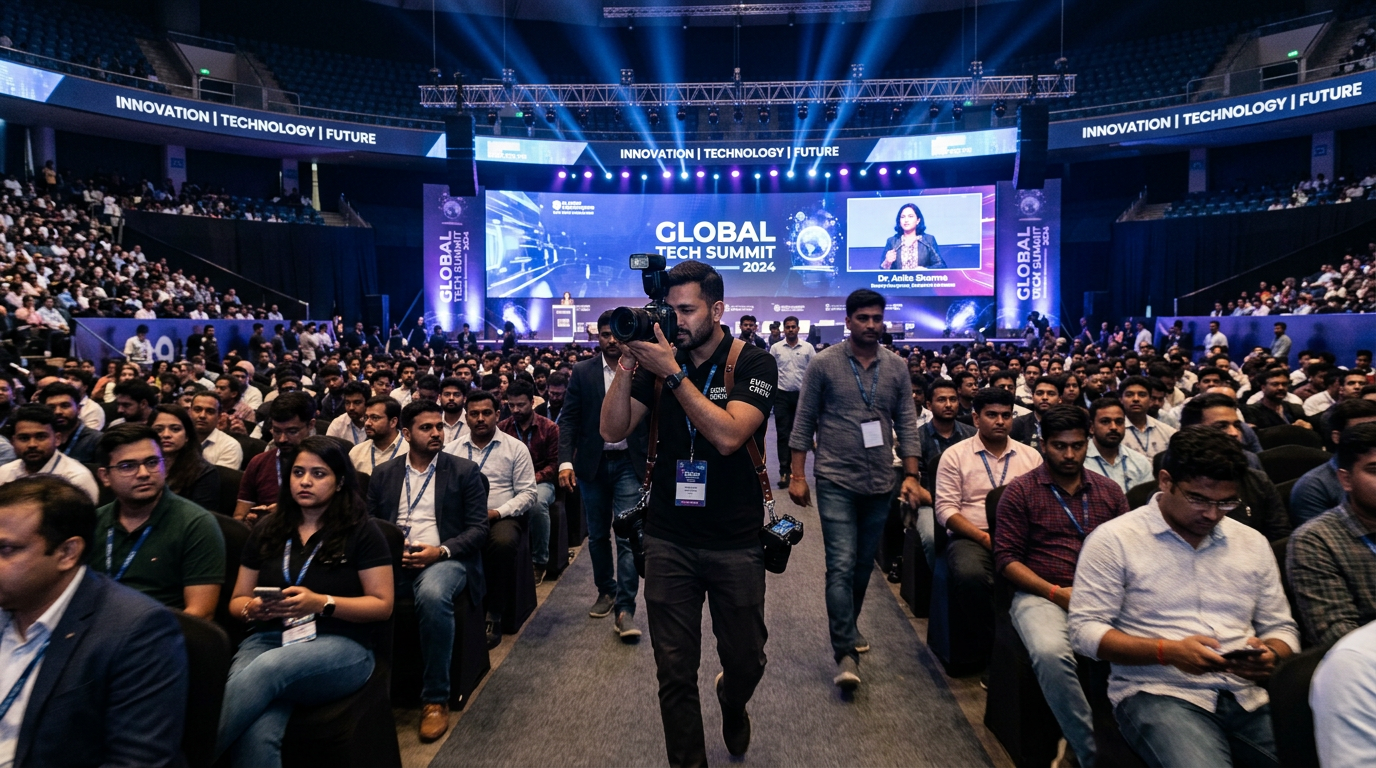
Event photographers who sell photos directly from AI-powered galleries are unlocking revenue that never existed before.
In This Article:
- The Revenue Leak Every Event Photographer Ignores
- When Infrastructure Becomes the Business Model
- The Passive Income Reality
- Building Systems That Sell While You Shoot
- The Compound Effect
- The New Event Photography Business Model
- Your Next Event Could Be Your First Passive Income Stream
Rahul had been shooting corporate events for seven years. The routine was familiar: arrive early, capture everything, spend three days editing, upload to Google Drive, send the link to the organiser, invoice for the day rate, and move on to the next gig.
The problem? Once he delivered that Drive link, his earning potential from that event ended. The 2,847 photos he had captured at the three-day tech conference — each frame carefully composed, perfectly lit — became someone else's asset. When attendees started asking for high-resolution copies of photos they appeared in, Rahul had no system to fulfil those requests, let alone monetise them.
He was not alone. Across India and globally, event photographers face the same constraint: their business model caps revenue at a day rate, while the actual value of their work — thousands of photos that attendees desperately want — goes unrealised.
1. The Revenue Leak Every Event Photographer Ignores
The economics are stark when you examine them closely. A photographer shoots a wedding with 450 guests. Conservatively, 200 of those guests would pay ₹500–₹2,000 for high-resolution downloads of photos they appear in. That is a potential ₹1,00,000 to ₹4,00,000 in additional revenue from a single event.
But without a system to identify which photos each guest appears in, without a payment gateway integrated into the delivery workflow, without automated watermarking to protect unpaid images — that revenue simply evaporates.
Guests leave the event, forget to follow up, or receive a generic Google Drive link with 3,000 unsorted photos and give up searching for themselves. The photographer moves on to the next booking. Everyone loses.
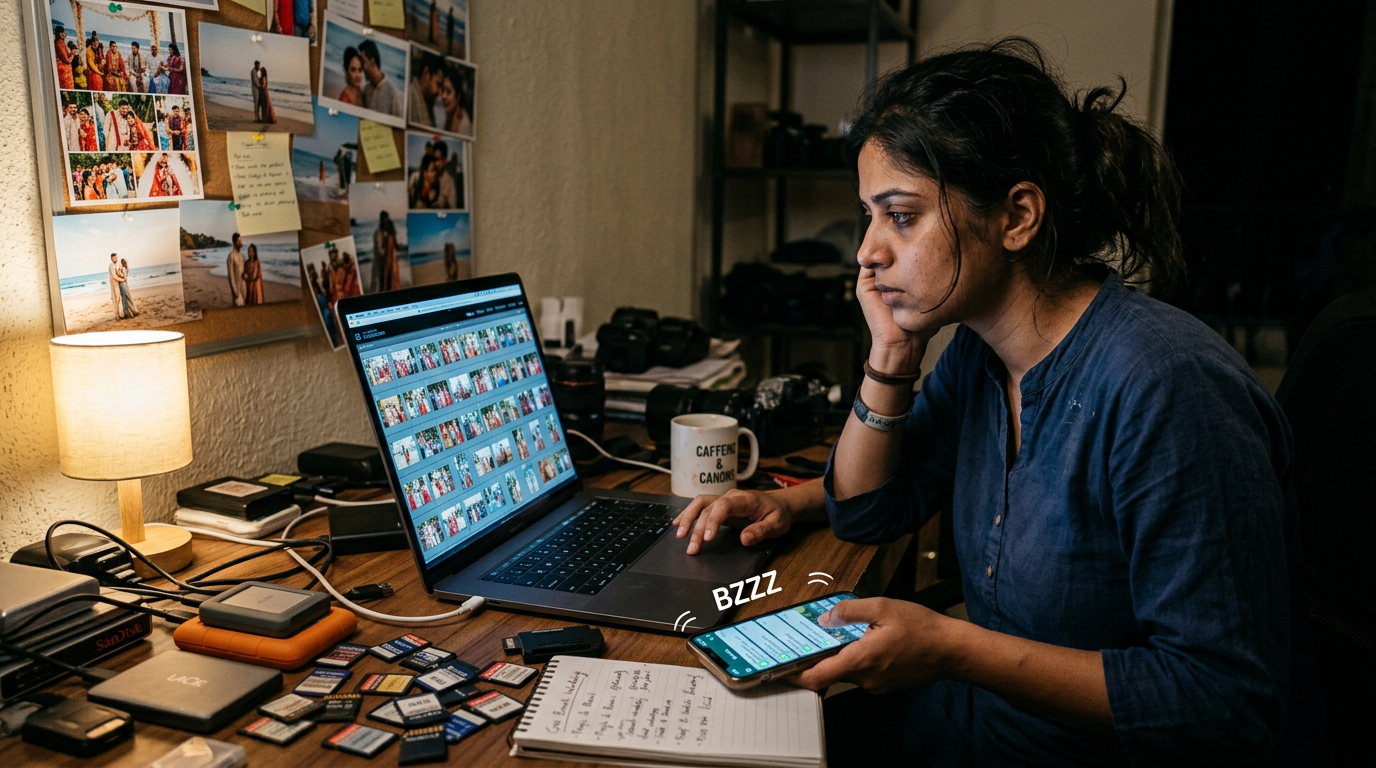
The traditional workflow: hours spent sorting, a Drive link delivered, and a revenue opportunity permanently closed.
For Rahul, this realisation hit hardest after a destination wedding in Goa. The bride's friends kept messaging him for weeks: "Can you find the photos of me and my husband from the sangeet?" "Which folder has the beach shots?" "Can I buy the unedited versions?"
He had no scalable way to answer those requests. Each response required manual searching through thousands of files. Even when he found the right photos, he had no professional system to accept payment and deliver downloads. UPI requests and WeTransfer links felt clunky and unprofessional.
The event had ended, but the demand had not. He was leaving money on the table — not because guests were unwilling to pay, but because he lacked the infrastructure to collect.
2. When Infrastructure Becomes the Business Model
Rahul discovered Foto Owl AI through a photographer community on Instagram. The promise seemed almost too convenient: upload your event photos once, let AI face recognition tag every guest automatically, and enable direct photo sales through integrated payment processing.
For his next event — a 1,200-person corporate annual day — he decided to test Foto Owl AI's photo selling feature. The setup was straightforward: he enabled photo sales when creating the event gallery, set his price per photo at ₹299 for digital downloads and ₹799 for print-quality files, and uploaded his edited shots directly from Lightroom.
What happened next changed how he thought about event photography entirely.
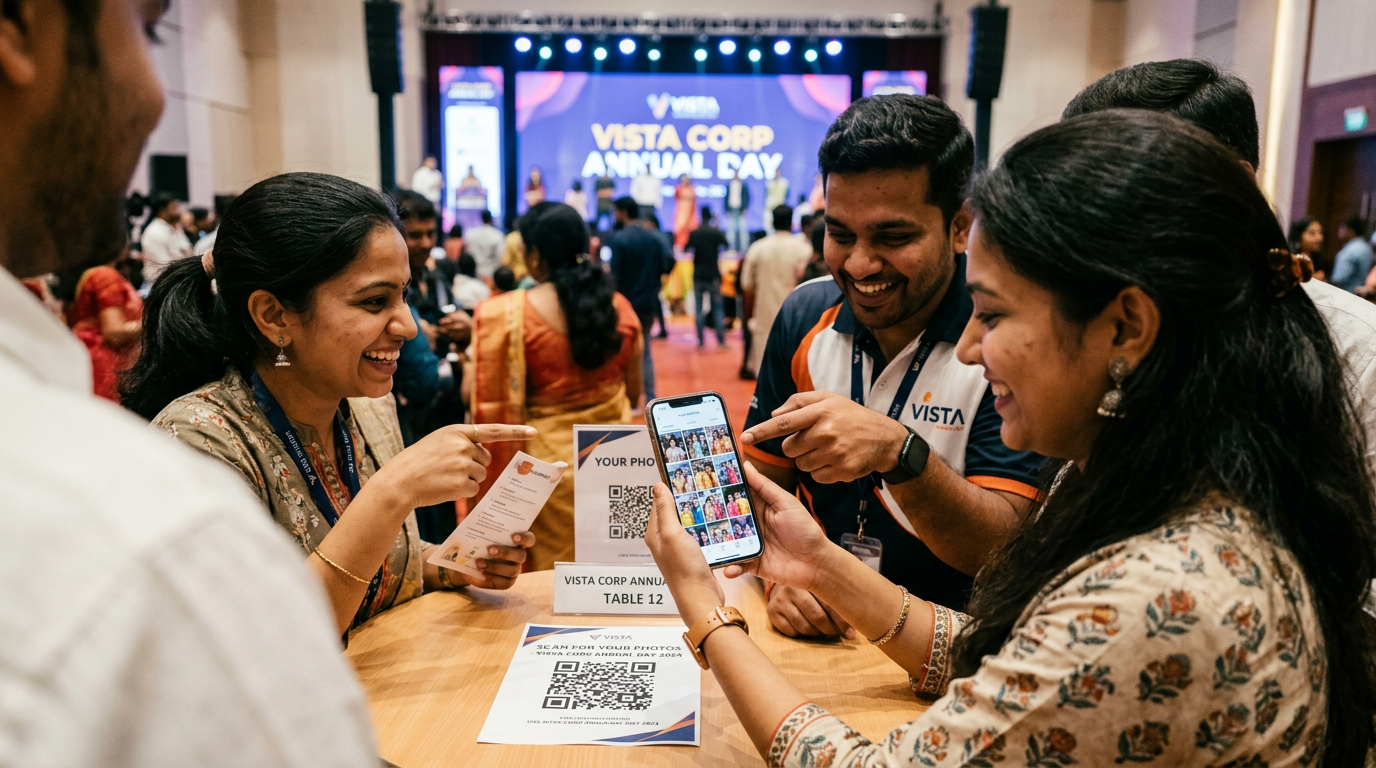
Foto Owl AI's QR-to-selfie flow: attendees find their photos in seconds without any manual sorting by the photographer.
Attendees received a QR code at the event. They scanned it, uploaded a quick selfie, and within seconds, Foto Owl AI's AI face recognition surfaced every photo they appeared in — just their photos, no manual searching required. The accuracy was remarkable; guests found themselves in group shots, candid moments, and stage photos they did not even remember being captured in.
The gallery was branded with Rahul's logo, social media handles, and contact information through automatic watermarking. Every preview image became a marketing asset. When guests wanted the high-resolution, unwatermarked version, they simply clicked "Buy," paid through the integrated gateway, and received instant download access along with a tax invoice.
Rahul did not have to manage a single transaction manually. The system handled payments, delivery, invoicing, and even guest data collection. His smartphone buzzed with sale notifications throughout the evening and continued for weeks afterward as attendees shared gallery links with colleagues who had attended.
By the end of month one, that single corporate event had generated approximately ₹87,000 in photo sales — nearly matching his original day rate for shooting. By month three, total sales had reached around ₹1,34,000, and they were still trickling in. He had not spent a minute on fulfilment.
3. The Passive Income Reality
What Rahul discovered was that event photos have a remarkably long tail. Attendees do not just want photos immediately after an event — they come back months later when creating LinkedIn profiles, updating company websites, building portfolios, or simply reminiscing.
With traditional delivery methods, that long-tail value dies the moment you send the Drive link. With Foto Owl AI's AI-powered galleries, the sales infrastructure stays live indefinitely. The gallery becomes an evergreen revenue asset.
Rahul's corporate event proved the concept, but the model scaled beautifully across event types. He shot a college fest with 800 students; photo sales added around ₹63,000 over two months. A fashion show with 300 attendees generated approximately ₹41,000. A marathon with 2,000 participants brought in roughly ₹1,56,000 as runners purchased their finish-line moments and action shots.
The pattern held: events with higher attendee counts and strong emotional resonance — graduations, sports events, milestone celebrations — produced the strongest sales. But even routine corporate conferences surprised him. HR teams bought photos for internal newsletters. Speakers purchased stage shots for their websites. Sponsors requested images featuring their branding.
Across twelve events in his first six months using Foto Owl AI, Rahul's photo sales revenue reached approximately ₹8,47,000 — a significant increase over his traditional day-rate income from those same events. And unlike day rates, which require his physical presence, photo sales continued generating income while he slept, travelled, or shot other events.
4. Building Systems That Sell While You Shoot
The transformation was not just financial. Rahul's entire client acquisition strategy shifted. He started offering lower day rates to event organisers — sometimes even shooting select events for free — knowing that photo sales would more than compensate. This made his proposals more competitive and won him larger, higher-profile events.
His galleries themselves became marketing tools. Foto Owl AI's OneQR feature gave him a single permanent QR code linking to his live portfolio across all events. He printed it on business cards, added it to his camera bag, and displayed it at vendor booths. Every new event automatically populated his portfolio without reprinting materials.
The WhatsApp integration meant guests received direct notifications with personalised gallery links on their phones. No one had to remember to check email or navigate back to a shared link. Delivery was instant and felt premium.
Guest data collection built his marketing database. Every gallery visitor provided their name, mobile number, and email during registration. Within six months, Rahul had contact information for over 8,000 event attendees — potential clients for future portrait sessions, wedding bookings, and commercial work.
Most importantly, the professional presentation elevated his brand. The days of generic Google Drive links were over. Every gallery featured his custom branding, colour schemes, and logo. Clients perceived him as more established and tech-forward than competitors still using outdated delivery methods.
"Foto Owl AI did not just solve our photo delivery problem — it created an entirely new revenue stream I did not know existed. I am earning more from photos I have already taken than from new shoots some months. That is not a side hustle; that is passive income built on work I was already doing."
5. The Compound Effect
Twelve months into using Foto Owl AI, Rahul's business metrics tell a compelling story. His average revenue per event increased substantially. His client acquisition costs dropped because galleries became self-promotion engines. His time spent on photo delivery and guest requests decreased by over 90%.
But the most significant shift was psychological. He stopped thinking of events as one-time transactions and started viewing them as asset creation opportunities. Every event became a potential income stream that could generate revenue for months or years.
He began shooting more strategically — capturing more attendee close-ups, more candid moments, more shots that individuals would want for personal use. His editing workflow prioritised volume and variety over perfection, knowing that different guests valued different moments.
His pricing strategy evolved too. He tested different price points across event types and discovered that emotional events — weddings, graduations, sports victories — supported higher prices, while corporate events performed better with volume-based pricing. Foto Owl AI's flexibility allowed him to adjust per event.
The photo selection tool helped clients shortlist images for albums or official use while the broader gallery remained available for individual sales. Foto Owl AI's Hashtrack feature added value for corporate clients by amplifying event hashtags and sponsor visibility — making his services more attractive to brand-conscious organisers.
By the end of year one, Rahul had transformed his photography business from a time-for-money service into a scalable, partially passive income operation. His physical capacity to shoot events remained limited to three to four per week, but his revenue ceiling had effectively disappeared.
6. The New Event Photography Business Model
What Rahul discovered represents a fundamental shift in event photography economics. The traditional model — day rate for shooting, deliver photos, relationship ends — leaves the majority of potential revenue unrealised.
The new model recognises that the real value is not in the act of pressing the shutter; it is in the ongoing utility of the images to the people who appear in them. Event attendees have always wanted their photos. They have always been willing to pay for them. The infrastructure to fulfil that demand professionally simply did not exist at scale.
AI face recognition solved the discovery problem. Integrated payment processing solved the transaction problem. Automated delivery solved the fulfilment problem. Branded galleries solved the presentation problem. Together, these technologies unlock the latent revenue sitting dormant in every event photographer's hard drive.
The photographers winning in 2026 are not necessarily shooting better photos than their counterparts from five years ago. They are leveraging better infrastructure to monetise the same work more effectively. They are building systems that continue generating revenue long after the event ends.
For photographers still delivering event photos through Google Drive links or Dropbox folders, the opportunity cost is significant. Every event represents not just a day rate but months of potential passive income — if you have the right platform to capture it.
7. Your Next Event Could Be Your First Passive Income Stream
If you are an event photographer still thinking in day rates, it is time to reimagine your business model. The technology exists today to transform how you deliver photos and how you get paid for them.
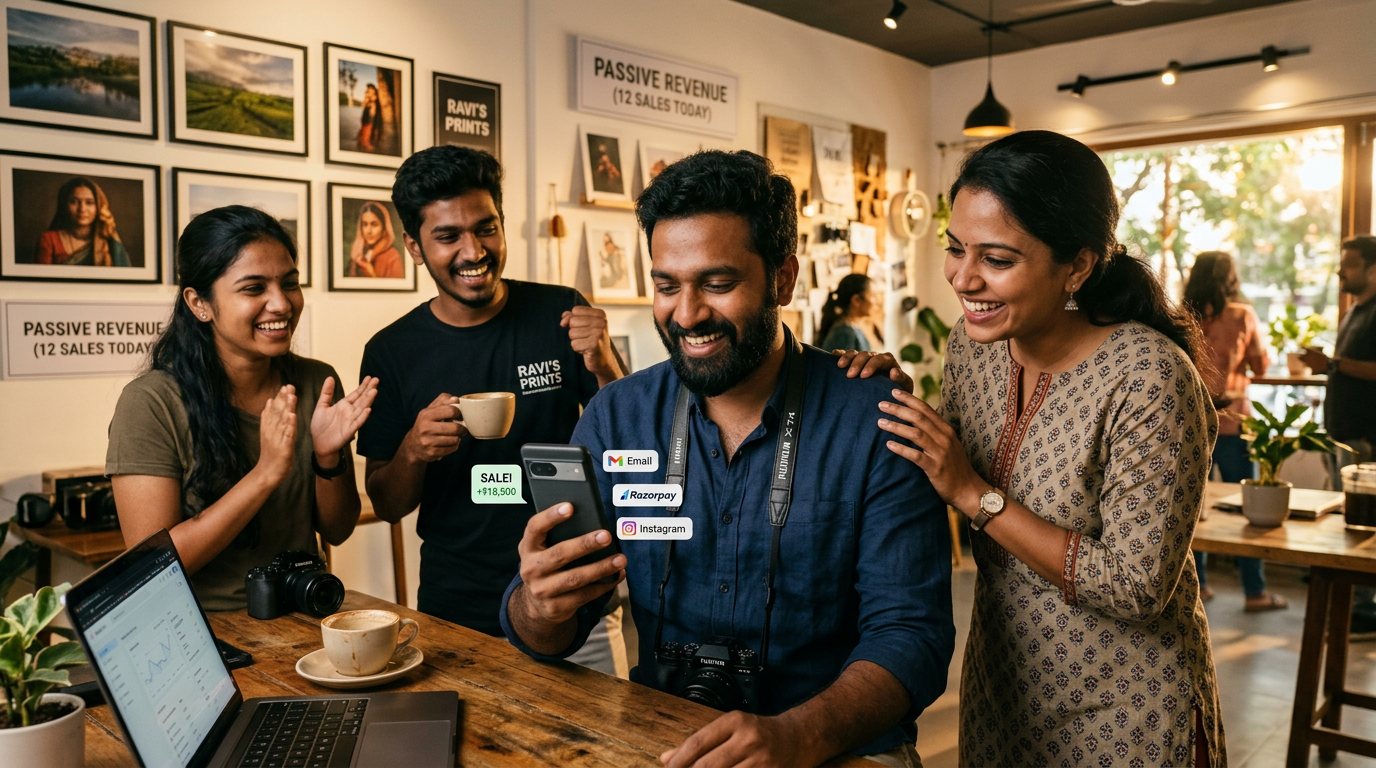
Sale notifications coming in days — and months — after the shoot. That is what passive income looks like for photographers using Foto Owl AI.
Foto Owl AI makes the transition seamless. Upload your photos, enable sales, set your prices, and let AI handle the rest. Your clients get a premium delivery experience. Your attendees get instant access to their photos. You get recurring revenue from work you have already completed.
The setup takes minutes. The first event proves the concept. By your fifth event, you will wonder how you ever operated without it.
The photos you are about to take are worth more than your day rate. It is time your business model reflected that.
Ready to turn your next event into a passive income stream?
Join 200,000+ photographers and event organizers who trust Foto Owl AI
Start Free Trial10,000 photos per year · No credit card required
Have questions about selling photos from events or building passive income as a photographer? Drop them in the comments below — we would love to help you find the right approach for your work.